Emergency Plumbing for Landlords: 2026 Buying Guide
August 6th, 2026
Rental property landlords in Northern Utah lose money every hour a burst pipe or backed-up sewer line sits unaddressed, and most standard plumbers aren't set up for landlord accounts with tenants who can't be reached until they're home from work. This guide breaks down what separates a landlord-ready emergency plumbing service from a generic one-call fix.
- Emergency plumbing for landlords requires 24/7 licensed dispatch, not an answering service that calls back the next morning.
- Multi-property accounts with flat-rate emergency pricing beat per-job quotes when you manage more than one unit.
- Skip unlicensed handyman fixes on main sewer lines in 2026 — Utah’s licensing bond requirements exist for a reason.
- Bundling plumbing with HVAC maintenance through one licensed vendor cuts vendor-juggling during Wasatch Front winters.
Why this matters
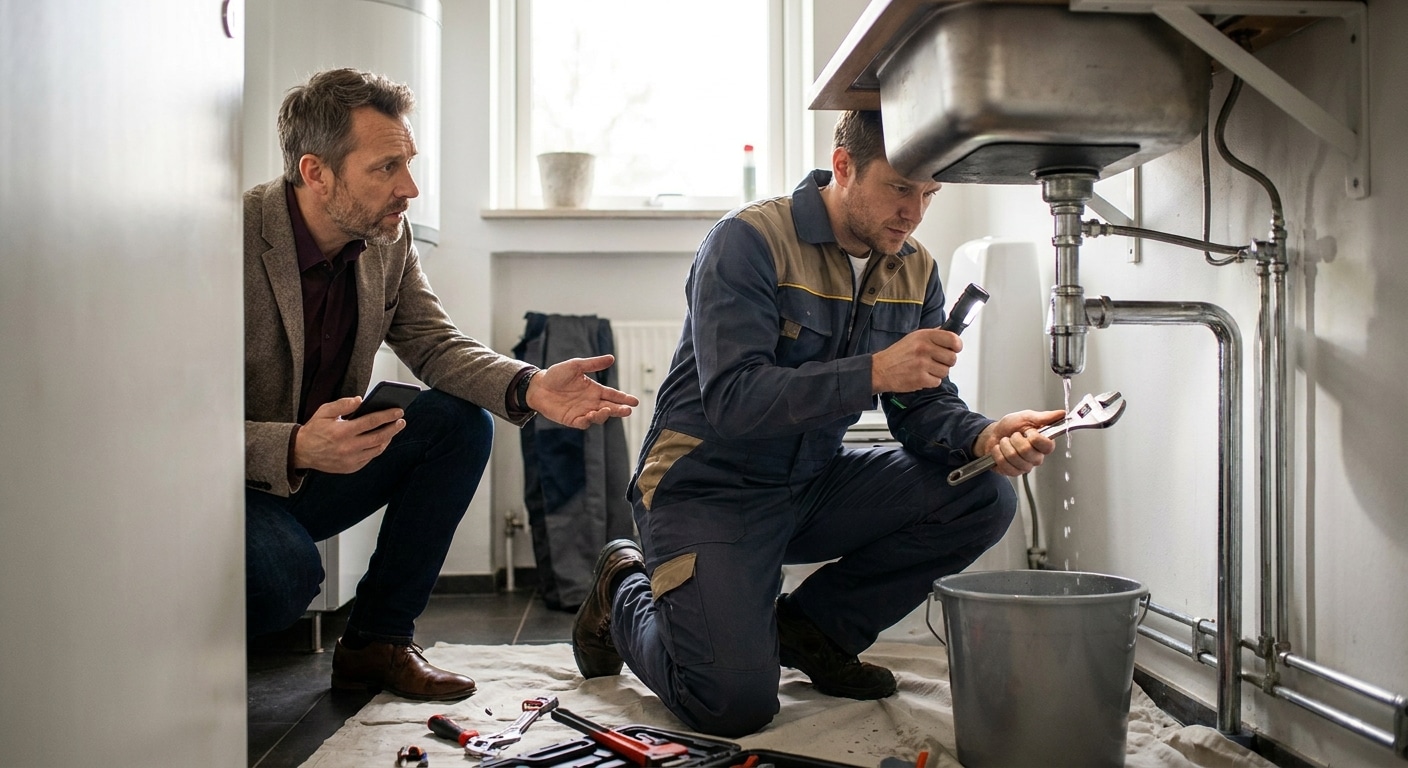
A frozen or split pipe in a rental unit doesn't wait for business hours, and neither does the tenant call. If you're managing three units or thirty across Davis, Weber, or Salt Lake County, the plumber you hire in an emergency needs to already understand landlord logistics: who authorizes the repair, how invoicing works across properties, and how fast someone with a license shows up at 11 p.m. in January.
Expert Services covers licensed plumbing, sewer and drains, HVAC, and electrical work across most of Northern Utah, which matters because a single winter freeze event often hits plumbing and heating at the same property on the same night. Landlords who juggle separate vendors for each trade lose time coordinating access while a tenant's basement floods.
The difference between a $400 emergency call and an $11,000 water damage claim is almost always response time and licensing, not the brand on the truck.
Who this is for
This is written for landlords and property managers handling anywhere from a single rental to a multi-unit portfolio across Northern Utah, especially owners of older homes built before 1990 where galvanized pipe and aging sewer laterals are common. If you've ever fielded a midnight call from a tenant standing in an inch of water, this is your buyer's guide.
What to look for in emergency plumbing for landlords
24/7 licensed dispatch, not an answering service
A lot of "emergency" plumbing lines route to a call center that books you for the next business day. Ask directly whether a licensed plumber is dispatched overnight and on weekends, or whether you're just leaving a message. For a landlord, the gap between those two answers is the difference between a $600 repair and a ceiling replacement.
Multi-property account setup
If you manage more than one unit, you need a vendor that can track service history and invoicing by property address, not by your personal account. This matters most at tax time and during insurance claims, when you need a clean paper trail per property.
Sewer and drain camera diagnostics
Recurring backups in a rental are almost always a root intrusion or a bellied line, not a one-off clog. A plumber who runs a camera before quoting a fix is telling you the truth about what's actually wrong instead of guessing with a snake.
Water damage mitigation speed
Ask what happens in the first 60 minutes after the call — shutoff, extraction, and stabilization. Every hour standing water sits against drywall and subfloor adds to the repair bill, and most homeowner or landlord insurance policies scrutinize how fast mitigation started.
Transparent flat-rate emergency pricing
Emergency callouts should come with a stated rate before the truck rolls, not a number that appears after the job is half done. Landlords managing tight margins need to know the number up front to decide whether to approve the work themselves or loop in the owner.
Tenant communication protocol
Your tenant is the one opening the door at midnight. A plumbing service that texts an ETA and confirms identity before arrival protects both the tenant and you from the "random person showed up" problem that generates complaint calls.
Top picks for landlords in 2026
The must-have: 24/7 licensed emergency dispatch. Look for confirmed license verification over the phone and a stated response window, ideally under 90 minutes for active leaks. This is the baseline every other criterion sits on top of. Verdict: Buy.
The preventive play: annual sewer camera inspection. For properties with cast iron or clay sewer laterals older than 30 years, a yearly camera pass catches root intrusion before it becomes a 2 a.m. backup call. Expect this to run as a scheduled visit, not an emergency dispatch. Verdict: Buy.
The bundle: combined plumbing and HVAC coverage. Northern Utah winters put freeze risk on both pipes and furnaces at once, so a landlord managing several units benefits from one licensed vendor that handles both trades. Reviewing a guide to HVAC systems for Utah homes alongside your plumbing plan helps you time furnace tune-ups and pipe insulation checks in the same fall visit. Verdict: Buy.
The overkill for single-unit owners: whole-property smart leak monitoring. Sensor networks that shut off water automatically make sense for a five-unit building but add cost most single-family rental owners don't need yet. Verdict: Consider.
The shortcut to avoid: unlicensed handyman work on main lines. Anyone offering to snake a main sewer line or replace a water heater without a license is skipping Utah's bonding and permitting requirements, and you as the property owner carry the liability if something fails. Verdict: Skip.
Get emergency plumbing dispatched tonight
Licensed response for landlords across Northern Utah, plumbing to HVAC.
What to avoid
- Per-job quoting with no flat rate disclosed upfront. You need a number before the truck leaves the yard, not after.
- Vendors who won't confirm license number over the phone. This is a five-second question with a yes-or-no answer; if they dodge it, call someone else.
- Single-trade vendors during freeze season. A plumber who can't also flag a failing furnace during a winter callout leaves you exposed to a second emergency the same week.
“If your emergency plumber can’t confirm licensing over the phone, hang up and call the next one.”
Verdict comparison at a glance
| Pick | Best for | Response window | Verdict |
|---|---|---|---|
| 24/7 licensed dispatch | All landlords | Under 90 minutes | Buy |
| Annual sewer camera inspection | Properties 30+ years old | Scheduled, not emergency | Buy |
| Combined plumbing + HVAC coverage | Multi-unit portfolios | Same-visit for both trades | Buy |
| Smart leak monitoring | 5+ unit buildings | Instant shutoff | Consider |
| Unlicensed handyman main line work | Nobody | Unreliable | Skip |
FAQ
What counts as an emergency plumbing situation for landlords?
An emergency is any active leak, burst pipe, sewer backup, or no-water situation that threatens habitability or property damage. In 2026, most licensed plumbers in Northern Utah treat these as same-day or overnight dispatch situations, not next-business-day appointments.
How fast should an emergency plumber respond for a rental property?
Aim for a response window under 90 minutes for active water leaks. Anything slower risks additional drywall, flooring, and subfloor damage that turns a plumbing bill into a full remediation job.
Is it cheaper to use one vendor for plumbing and HVAC?
Bundling both trades with one licensed vendor cuts scheduling overhead and often catches related winter issues, like frozen pipes near a failing furnace, in a single visit instead of two separate callouts.
Can a landlord use an unlicensed handyman for emergency repairs?
Using an unlicensed handyman for main sewer line or water heater work in Utah skips required bonding and permitting, and the liability lands on the property owner if the work fails. Stick to licensed plumbers for anything involving main lines or gas connections.
How often should rental property sewer lines be inspected?
Properties with cast iron or clay laterals older than 30 years benefit from an annual camera inspection to catch root intrusion before it causes a backup. Newer PVC lines can typically go longer between inspections.
What should a landlord ask before hiring an emergency plumber?
Ask for the license number, the flat emergency rate before the truck arrives, and the stated response window. A vendor that answers all three clearly is set up for landlord work, not just homeowner calls.
Does emergency plumbing cost more at night or on weekends?
Most licensed emergency plumbers charge a flat after-hours rate that’s higher than daytime service, but the rate should be disclosed before dispatch. Confirm the number upfront so you can decide whether to approve the repair yourself or contact the property owner.
One last thing
The single biggest mistake landlords make isn't picking the wrong plumber — it's not having a plumber's number saved before the emergency happens. Confirm licensing, get the flat emergency rate in writing, and save the contact under the property address, not your own name, so any manager or tenant liaison can pull it up fast when the call comes in at midnight in 2026.