
Does Homeowners Insurance Cover Sewer Backup in Utah?
July 22nd, 2026
A sewer backup is stressful enough without wondering whether your homeowners insurance will help pay for the cleanup and repairs. Unfortunately, many homeowners don’t think about their coverage until wastewater is already backing up into the basement or a plumber has identified a damaged sewer line.
Whether your insurance covers a sewer backup depends on what caused the damage, the type of coverage included in your policy, and whether you’ve added optional endorsements like sewer backup or service line coverage. Understanding those differences before an emergency happens can help you avoid unexpected expenses and make more informed decisions if you ever need to file a claim.
At Expert Services – Plumbing, Heating, Air & Electrical, we’ve helped homeowners across Northern Utah diagnose sewer problems caused by tree roots, aging pipes, collapsed sewer lines, and other underground issues. While we don’t determine insurance coverage, we frequently work alongside homeowners who need accurate inspections and documentation to understand the condition of their sewer system before speaking with their insurance provider.
Key Takeaways
- Standard homeowners insurance policies do not always cover sewer backups or underground sewer line repairs.
- Many insurance companies offer optional sewer backup or service line coverage that can expand protection.
- A sewer camera inspection often helps identify the cause of a backup and provides valuable documentation when discussing repairs with your insurance company.
- Tree roots, aging pipes, and gradual wear are treated differently than sudden, accidental damage under many insurance policies.
- Reviewing your coverage before an emergency can help prevent costly surprises later.
Every insurance policy is different, so it’s important to review your specific policy or speak with your insurance agent about your available coverage.
The Short Answer
In many cases, standard homeowners insurance does not automatically cover sewer backups or damage to the underground sewer line itself.
However, many insurance companies offer optional endorsements or riders that provide additional protection for sewer backups, service lines, or underground utility lines.
The details depend on your individual policy, which is why homeowners should avoid assuming they’re covered because they have homeowners insurance.
Generally speaking, insurance companies often ask questions such as:
- What caused the sewer backup?
- Was the damage sudden or did it develop gradually?
- Does the policy include sewer backup coverage?
- Does the homeowner have service line coverage?
- Is the claim related to maintenance or an unexpected event?
Because policies vary significantly between insurance carriers, it’s always best to review your coverage directly with your insurance company rather than relying on general assumptions.
Sewer Backup Coverage vs. Sewer Line Coverage
One of the biggest points of confusion is that these two types of coverage sound similar, but they often protect very different things.
| Coverage Type | What It May Help Cover | What It May Not Cover |
|---|---|---|
| Sewer Backup Coverage | Damage caused when wastewater backs up into the home through drains, toilets, or plumbing fixtures | Repairing the damaged sewer line itself |
| Service Line Coverage | Repair or replacement of certain underground utility lines, depending on the policy | Interior water damage unless specifically included |
| Standard Homeowners Insurance | Certain sudden and accidental water damage, depending on the policy language | Many sewer backups, gradual deterioration, maintenance issues, and normal wear |
This distinction is important because homeowners often assume that if water damage is covered, the damaged sewer pipe is also covered. However, those are frequently treated as separate issues under many insurance policies.
A sewer camera inspection can help determine whether the problem involves a blockage, root intrusion, structural pipe damage, or another issue. That information is often useful when discussing repairs with your insurance company.
What are Common Causes of Sewer Backup?
Several types of sewer problems lead homeowners to ask whether insurance will help pay for repairs.
Tree Root Intrusion
Tree roots naturally seek moisture and can enter older sewer lines through small cracks or separated joints. Over time, the roots expand and collect debris, eventually restricting wastewater flow.
Many homeowners are surprised to learn that root intrusion may be viewed differently than sudden accidental damage because it often develops gradually over many years.
The exact outcome depends on the language in the individual insurance policy.
Aging Sewer Pipes
Older neighborhoods throughout Utah often contain clay, cast iron, or aging concrete sewer lines.
As these materials age, they may experience:
- Joint separation.
- Corrosion.
- Cracking.
- Pipe settlement.
- Structural deterioration.
Like tree root intrusion, these conditions usually develop over long periods rather than occurring suddenly, which may affect how insurance companies evaluate a claim.
Sudden Sewer Line Failure
Not every sewer problem develops slowly.
Ground movement, construction activity, freezing conditions, or unexpected pipe failures can sometimes create sudden sewer line damage.
Because every situation is unique, documenting the condition of the sewer line through professional inspection becomes especially important before repairs begin.
Why a Sewer Camera Inspection Matters
Before anyone can determine the best repair approach, it’s important to understand why the sewer backup occurred.
That’s where a sewer camera inspection becomes valuable.
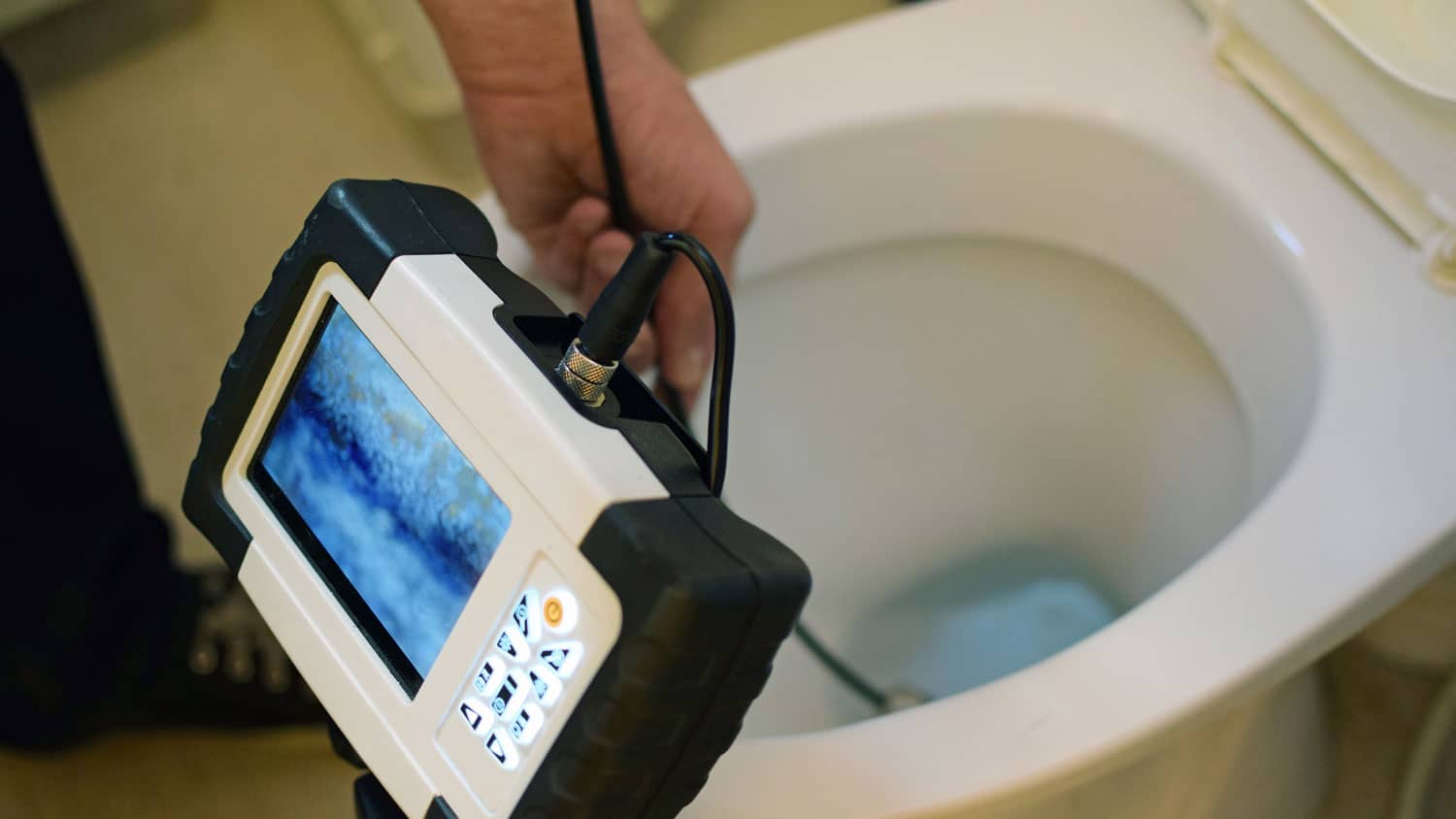
Using specialized waterproof camera equipment, plumbers inspect the inside of the sewer line to identify the source of the problem without unnecessary excavation.
A camera inspection may reveal:
- Tree root intrusion.
- Broken sewer pipe.
- Offset pipe joints.
- Heavy grease accumulation.
- Collapsed sections of pipe.
- Construction debris.
- Corrosion.
- Previous repair failures.
This gives homeowners a clear picture of the sewer system’s condition.
In many cases, the inspection creates visual documentation that helps explain the problem to insurance representatives, property managers, or anyone involved in evaluating the repair. While a camera inspection doesn’t determine whether a claim will be approved, it does provide objective information about what has occurred underground.
What Plumbers Can Document During an Inspection
One common misconception is that plumbers decide whether insurance covers a repair.
They don’t.
What plumbers do provide is accurate documentation of the sewer system’s condition.
Depending on the inspection, documentation may include:
- Video footage of the sewer line.
- Still photographs from inside the pipe.
- The location of the blockage or damaged section.
- The apparent cause of the failure.
- The condition of surrounding pipe material.
- Recommendations for repair based on the observed damage.
This information allows homeowners to have more informed conversations with their insurance provider while also helping determine the most appropriate repair solution.
What Homeowners Insurance Often Doesn’t Cover
While every insurance policy is different, many homeowners are surprised to learn that certain sewer-related problems are commonly excluded or have limited coverage.
Issues that may not be covered under a standard homeowners policy include:
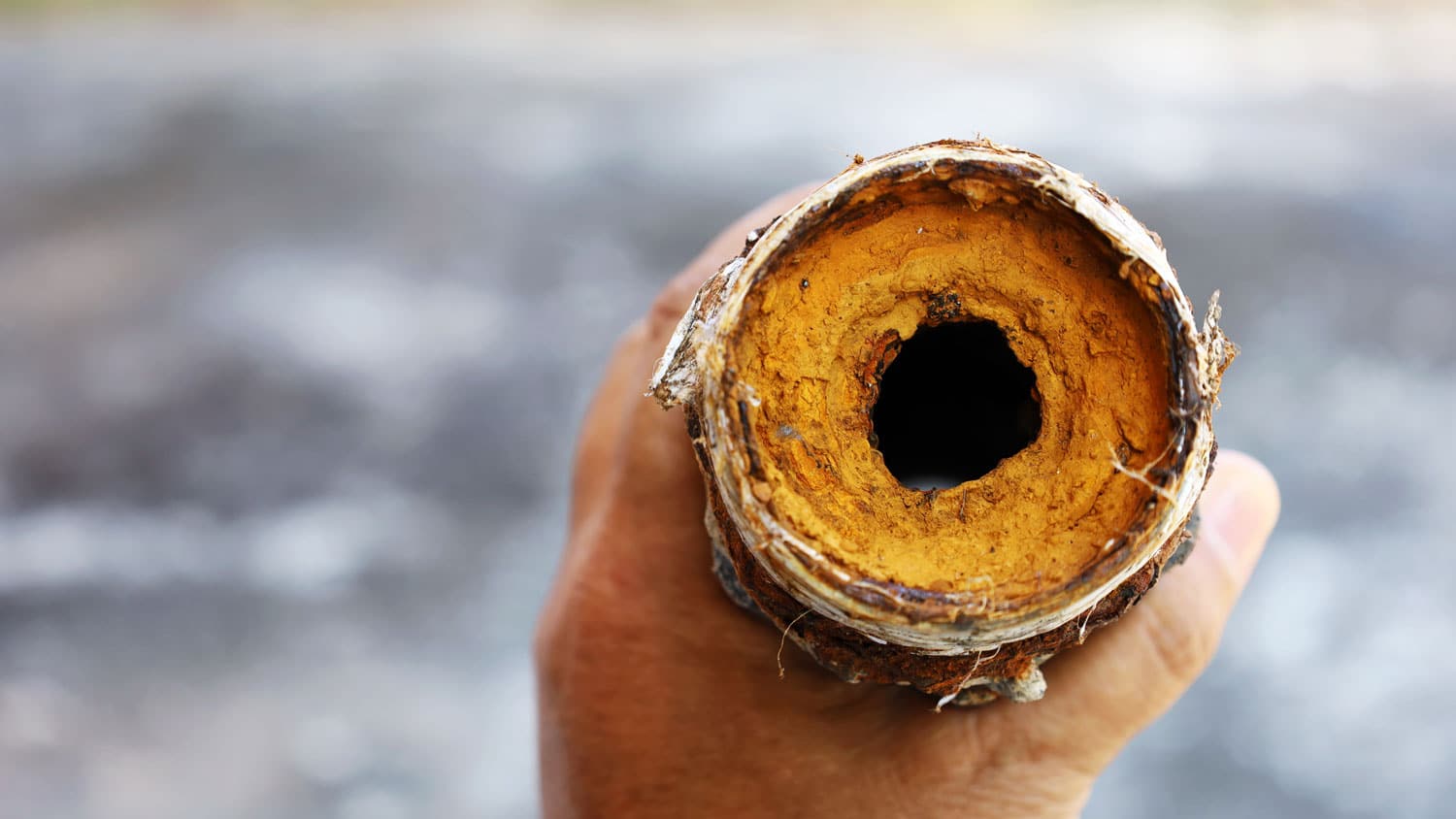
- Gradual deterioration of aging sewer pipes.
- Damage caused by normal wear and tear.
- Tree root intrusion that developed over many years.
- Deferred maintenance.
- Repairing the underground sewer line itself when service line coverage isn’t included.
- Preventative maintenance such as routine drain cleaning or sewer inspections.
These exclusions don’t necessarily mean you’re responsible for every repair. Some homeowners carry optional endorsements that provide additional protection. The important takeaway is not to assume your policy covers every type of sewer problem.
If you aren’t sure what your policy includes, reviewing it before an emergency occurs can help eliminate surprises later.
Five Questions to Ask Your Insurance Agent Before You Ever Need to File a Claim
One of the best times to learn about your insurance coverage is before anything goes wrong.
Consider asking your insurance agent these questions:
1. Do I have sewer backup coverage?
Some policies include this automatically, while others require an additional endorsement.
2. Do I have service line coverage?
This may help cover certain underground utility lines, depending on your policy.
3. What situations are specifically excluded?
Ask whether tree roots, aging pipes, corrosion, or ground movement are covered under your insurance policy.
4. What documentation would you need if I experienced a sewer backup?
Knowing this ahead of time can help you preserve the information your insurance company may request.
5. Are there coverage limits or deductibles specific to sewer backups?
Even when sewer backup coverage exists, it may have separate deductibles or maximum payout limits.
Getting information about your insurance policy now is much easier than trying to interpret it while standing in a flooded basement.
What Documentation Can Help During an Insurance Claim?
When a sewer backup occurs, documentation is one of the most valuable parts of the process.
While every insurance company has different requirements, homeowners can usually help themselves by gathering information before cleanup begins whenever it’s safe to do so.
Helpful documentation may include:
- Photos of affected rooms before cleanup.
- Photos showing the source of the backup, if visible.
- Dates and times when the problem was first noticed.
- Receipts for emergency mitigation work.
- Sewer camera inspection reports.
- Video footage of the damaged sewer line.
- Repair estimates provided by licensed contractors.
A sewer camera inspection is particularly valuable because it documents what is actually happening underground rather than relying on assumptions about the cause of the failure.
Why Camera Inspections Often Become the Most Valuable Part of the Process
Many homeowners first call a plumber because they want the backup to stop.
That’s completely understandable.
But one of the most important things a plumber can provide isn’t the repair itself.
It’s the diagnosis.
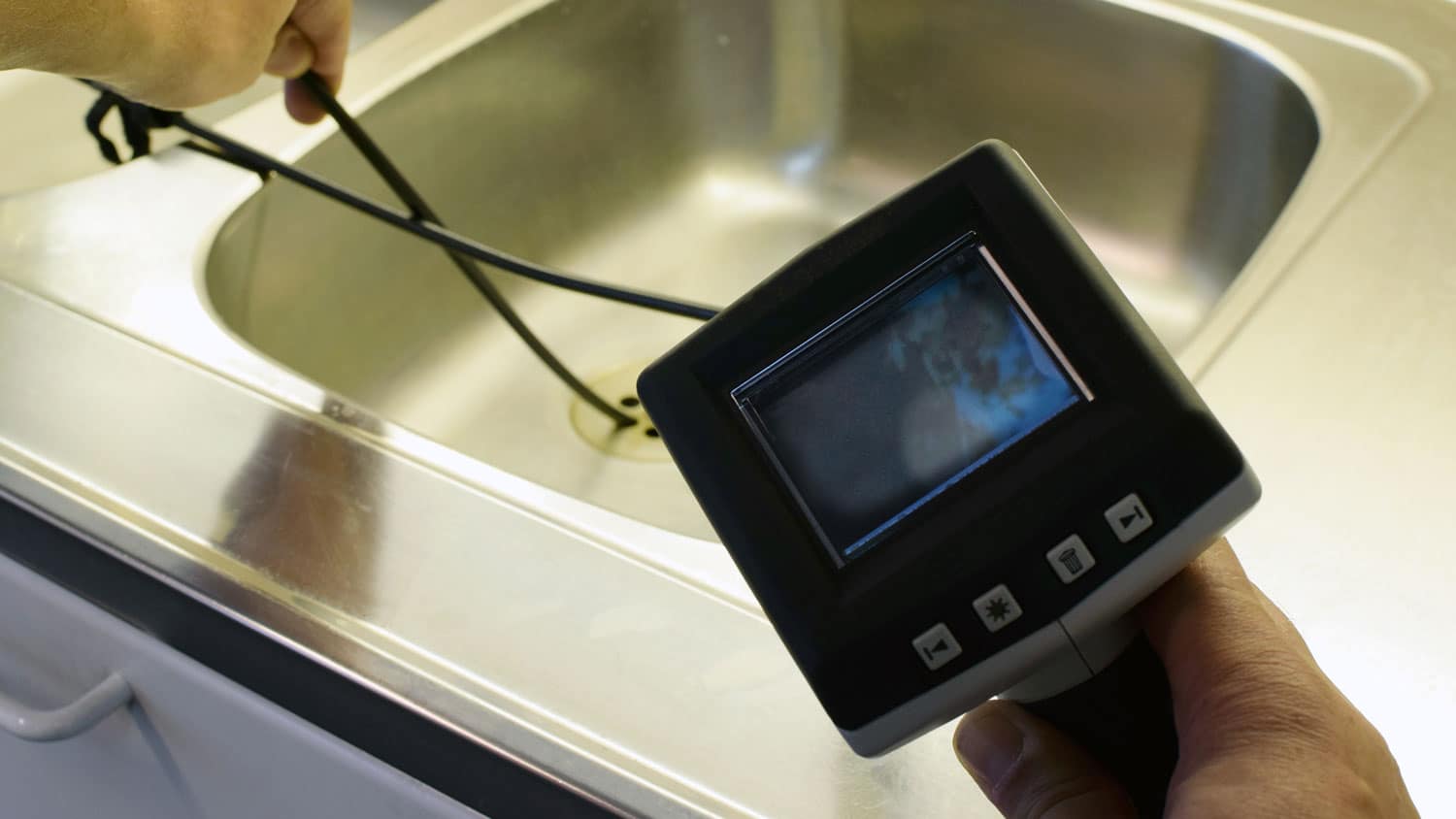
A professional sewer camera inspection creates a visual record of the sewer system before repairs begin. Depending on the situation, that inspection may show:
- Tree roots are entering through the separated joints.
- Cracked or broken sewer pipe.
- Pipe collapse.
- Corrosion.
- Heavy grease accumulation.
- Construction debris.
- Previous repairs that have failed.
Rather than relying on guesswork, homeowners have clear documentation of the condition of the sewer line.
Although plumbers don’t determine insurance coverage, accurate documentation often makes conversations with insurance providers much more straightforward because everyone is discussing the same evidence.
From the Field: One Sewer Backup Can Have Several Different Causes
One thing we’ve learned over the years is that homeowners often expect one clear answer after a sewer backup.
Sometimes that’s exactly what we find.
Other times, the inspection tells a more complete story.
We’ve inspected sewer lines where tree roots were the immediate cause of the blockage, but the inspection also revealed aging clay pipe that had begun separating at several joints. We’ve found grease accumulation inside commercial sewer lines that masked an underlying section of pipe that had partially collapsed. We’ve also seen situations where repeated drain cleaning temporarily restored flow while the actual structural problem continued getting worse underground.
That’s one reason we place so much emphasis on diagnostics before recommending repairs.
Understanding the full condition of the sewer line helps property owners make informed decisions rather than simply addressing the most obvious symptom.
It also provides valuable documentation should questions arise later about the condition of the system before repairs were performed.
Utah Homes Often Face Different Sewer Challenges
Northern Utah has neighborhoods with homes that range from brand-new construction to properties that are several decades old.
Older sewer systems may contain clay tile, cast iron, or concrete pipe materials that naturally degrade over time. Mature trees throughout communities like Salt Lake City, Orem, Provo, Sandy, and Lehi can also increase the likelihood of root intrusion where aging pipe joints allow moisture to escape.
Seasonal conditions, like freeze-thaw cycles, shifting soils, and spring runoff, can place additional stress on underground utilities that have already been in service for many years.
These factors don’t determine whether insurance applies, but they do explain why periodic sewer inspections can be valuable for homeowners who want to better understand the condition of their plumbing system before problems become emergencies.
Sewer Repair Options After a Camera Inspection
Once the cause of the backup has been identified, the next step is determining the most appropriate repair.
The right solution depends on the condition of the sewer line rather than simply the symptoms that appeared inside the home.
| Inspection Finding | Possible Repair Option |
|---|---|
| Tree root intrusion with structurally sound pipe | Hydro jetting and ongoing maintenance, or trenchless sewer lining if joints are compromised |
| Grease or heavy debris buildup | Professional sewer line cleaning |
| Localized pipe crack | Spot repair or trenchless repair, depending on accessibility |
| Multiple separated joints | Trenchless rehabilitation or targeted replacement |
| Collapsed sewer pipe | Excavation and sewer line replacement |
| Corroded cast iron pipe | Repair or replacement based on the extent of deterioration |
Every sewer system is different, which is why a thorough inspection is the first step toward recommending a repair that works best for the condition of the pipe.
Common Myths About Sewer Backup Insurance
Insurance and plumbing are two very different industries, but they often overlap during a sewer emergency. Over the years, we’ve heard a number of misconceptions that surprise homeowners when they review their policy after a backup.
“If I have homeowners insurance, my sewer line is automatically covered.”
Not necessarily.
Many homeowners insurance policies focus on damage caused by covered events inside the home rather than the underground sewer line itself. Depending on your policy, sewer backup coverage or service line coverage may need to be added separately.
Reviewing your policy before an emergency is the best way to understand what protection you have.
“Tree root damage is always covered.”
Tree roots are one of the most common causes of sewer problems in Utah, especially in neighborhoods with mature landscaping.
Whether insurance helps pay for repairs depends on your specific policy, the condition of the sewer line, and how the insurance company evaluates the cause of the damage. There isn’t a universal answer, which is why it’s important to discuss your coverage directly with your insurance provider.
“A sewer camera inspection guarantees my insurance claim will be approved.”
A sewer camera inspection provides objective documentation of a sewer line’s condition. This inspection helps identify the location of the problem, the apparent cause, and the condition of the pipe before repairs begin. That information can help homeowners have more informed conversations with their insurance company.
“I’ll wait until I know if insurance will cover it.”
Waiting to address an active sewer backup can allow additional wastewater to enter the home, increasing property damage and creating more extensive cleanup.
Even if you’re still determining what your insurance policy covers, taking steps to stop the backup and schedule an inspection can help prevent further damage while giving you a better understanding of the repair options.
The Cost of Waiting Can Extend Beyond the Plumbing Repair
Many homeowners focus on the cost of repairing the sewer line, but what they overlook are the additional expenses that can develop while the problem continues.
A sewer backup may affect:
- Drywall and insulation.
- Flooring and subfloors.
- Cabinets and built-in furniture.
- Personal belongings.
- Finished basements.
- Electrical components located near standing water.
- Mold remediation if moisture remains for an extended period.
For homeowners planning to sell in the future, unresolved sewer issues can complicate inspections during the home buying process.
The sooner the cause of the problem is identified, the sooner you can make informed decisions about repairs and restoration.
From the Field: The Inspection Changes the Conversation
One of the things we appreciate most about sewer camera inspections is that they replace assumptions with facts.
We’ve responded to homes where everyone assumed a complete sewer replacement would be necessary, only to find a localized blockage that could be cleared without excavation.
We’ve also seen the opposite.
A homeowner may believe repeated drain cleaning is solving the problem, but the camera reveals a deteriorating section of pipe that continues allowing tree roots to enter year after year.
That’s why we encourage homeowners to avoid making repair decisions based solely on symptoms.
The goal is to understand the condition of the entire sewer system so you can choose the repair that’s most appropriate for your home, your budget, and your long-term plans.
The Bottom Line
Does homeowners insurance cover sewer backups in Utah?
Sometimes, but it depends on your individual policy and the circumstances surrounding the damage.
Standard homeowners insurance, sewer backup endorsements, and service line coverage all serve different purposes, and every insurance company has its own policy language and claim requirements.
What remains consistent is the importance of understanding the problem before deciding how to repair it.
A professional sewer camera inspection can identify the cause of the backup, document the condition of the sewer line, and provide the information needed to evaluate your repair options. While your insurance company determines coverage, having accurate documentation from the beginning helps eliminate guesswork and allows everyone involved to work from the same information.
If you haven’t reviewed your homeowners policy recently, now is a good time to review what protections you have before an emergency occurs.
Schedule a Sewer Camera Inspection Today
If you’re experiencing recurring drain backups, slow drains throughout your home, sewer odors, or an active sewer backup, Expert Services is here to help.
Our licensed plumbers provide professional sewer camera inspections, sewer line cleaning, trenchless sewer repair, and complete sewer replacement services for homeowners throughout Northern Utah, including Orem, Provo, Lehi, Salt Lake City, Sandy, South Jordan, West Jordan, Millcreek, and West Valley City.
We’ll inspect the line, explain what we find, answer your questions, and recommend repair options based on the condition of your sewer system. If you need documentation to better understand your next steps with your insurance provider, we’ll provide clear inspection findings to support the repair process.
Schedule your sewer camera inspection today and take the first step toward understanding what’s happening beneath your property.
Frequently Asked Questions
Does standard homeowners insurance usually cover sewer backups?
Standard homeowners’ insurance policies do not automatically include sewer backup coverage. Many insurance companies offer optional endorsements that can provide additional protection. Because policies vary, it’s important to review your coverage with your insurance provider.
What’s the difference between sewer backup coverage and service line coverage?
Sewer backup coverage may help pay for damage caused when wastewater enters your home through drains or plumbing fixtures. Service line coverage may help with certain repairs to underground utility lines, depending on the policy. They protect different parts of the problem and are often purchased separately.
Can tree roots affect whether a sewer repair is covered?
Tree root intrusion is one of the most common causes of sewer line problems, particularly in older neighborhoods. Whether insurance provides coverage depends on the policy language and how the insurance company evaluates the cause of the damage. A sewer camera inspection can help document the condition of the sewer line before repairs begin.
Should I schedule a sewer camera inspection before filing an insurance claim?
Many homeowners find that a sewer camera inspection provides valuable information about the cause and location of the problem. While every insurance company has its own claims process, having professional documentation can help you better understand the condition of the sewer line before discussing repairs with your insurer.
Will insurance pay for sewer line replacement?
Some policies may include service line coverage that helps pay for certain underground utility repairs, while others may not. Coverage depends entirely on the individual policy and the circumstances surrounding the damage. Your insurance provider is the best source for determining what your policy includes.
How can I reduce the chances of future sewer backups?
Routine sewer inspections, professional drain cleaning when needed, addressing tree root intrusion early, and repairing damaged sewer lines before they fail can all help reduce the likelihood of future backups. Preventative maintenance often gives homeowners more repair options while helping avoid unexpected emergencies.
Why is a sewer camera inspection so important?
A sewer camera inspection allows plumbers to see the inside of the sewer line without unnecessary excavation. It can identify root intrusion, cracked pipes, grease buildup, collapsed sections, separated joints, and other issues that aren’t visible from the surface. Accurate diagnostics lead to more informed repair decisions and can help homeowners better understand the condition of their plumbing system.