Emergency Sewer Backup in Utah: What to Do in the First 30 Minutes
July 20th, 2026
The first few minutes after a sewer backup can cause property damage and endanger everyone inside the building. Whether wastewater is coming up through a basement floor drain, backing into a shower, or overflowing from a toilet, your immediate response matters. Many people instinctively reach for a plunger or continue running water while trying to figure out what’s happening. Unfortunately, those actions can make the situation worse by adding even more wastewater to an already blocked sewer system. At Expert Services, we’ve responded to emergency sewer backups in homes, restaurants, medical facilities, retail buildings, apartment complexes, and commercial properties throughout Northern Utah. One thing is almost always true: the sooner the problem is identified, the more options property owners have to limit damage and restore normal operations.
Key Takeaways
- A sewer backup should be treated as both a plumbing emergency and a potential health hazard.
- Stop using sinks, toilets, showers, washing machines, and dishwashers immediately to prevent additional wastewater from entering the sewer line.
- Keep people and pets away from contaminated water until the source of the backup is identified.
- A sewer camera inspection is often the fastest way to determine whether the problem is caused by tree roots, grease buildup, a collapsed sewer line, or another obstruction.
- Acting quickly can help reduce property damage, minimize business interruption, and provide more repair options.
The first 30 minutes should focus on protecting people, limiting additional wastewater, and gathering enough information for a licensed plumber to diagnose the problem.
The First 30 Minutes: A Step-by-Step Action Plan
When wastewater begins backing up into a home or commercial building, it’s natural to want to start cleaning immediately. While cleanup is important, preventing additional sewage from entering the building should always come first.
Minutes 0 to 5: Stop Using Water Immediately
The moment you notice sewage backing up through a drain, toilet, or plumbing fixture, stop using every plumbing fixture connected to the building’s drain system. That includes:
- Toilets
- Sinks
- Showers
- Bathtubs
- Washing machines
- Dishwashers
- Floor drains, when possible
Every gallon of water sent into a blocked sewer line has nowhere to go except back into the building. For commercial properties, it’s also important to notify employees and temporarily restrict restroom use until the problem has been evaluated. Restaurants, healthcare facilities, and other businesses that depend on functioning plumbing may need to adjust operations while emergency repairs are underway.
Minutes 5 to 10: Protect People and Limit Exposure
Sewage contains bacteria, viruses, and other contaminants that can pose health risks through direct contact. If wastewater has entered occupied areas, keep children, pets, customers, and employees away from the affected space. If it’s safe to do so:
- Close doors leading to the affected area.
- Turn off HVAC equipment serving that space since contamination could spread through the airflow.
- Wear waterproof boots and gloves if you must enter the area.
- Avoid attempting cleanup until the source of the backup has been identified.
If sewage is actively rising, your next priority is contacting a licensed plumber who can diagnose the cause and help stop the backup before additional damage occurs.
Minutes 10 to 20: Identify the Signs of a Main Sewer Line Backup
Once you’ve stopped using water and have made the area safe, take a moment to observe what’s happening throughout the property. The backup pattern often provides valuable clues about what’s causing the problem. A blockage inside a single drain usually affects only one fixture. A blockage in the main sewer line often affects multiple fixtures simultaneously because every drain in the building ultimately connects to the same sewer system. Common signs of a main sewer backup include:
- Water is backing up through a basement floor drain.
- Toilets gurgle when another fixture is used.
- Multiple sinks are draining slowly simultaneously.
- Sewage appears in a shower or bathtub after flushing a toilet.
- Strong sewer odors inside or outside the building.
- Wastewater is pooling around an exterior sewer cleanout.
These observations can help your plumber narrow down the likely cause before the camera inspection even begins.
Minutes 20 to 30: Gather Information Before the Plumber Arrives
You don’t need to diagnose the problem yourself, but gathering a few details can help speed up the inspection. Ask yourself:
- When did you first notice the backup?
- Have drains been slowing down over the past several days or weeks?
- Has the sewer line required cleaning before?
- Are there mature trees located between the building and the street?
- Has any plumbing work been completed recently?
- Did heavy rain occur before the backup started?
If it’s safe to do so, take several photos of the affected areas before cleanup begins. These can help document the property’s condition and may be useful if insurance questions arise later. For commercial buildings, it’s also helpful to estimate how many plumbing fixtures are affected and whether the backup is impacting customer areas, employee spaces, kitchens, or restrooms.
The Most Common Causes of Emergency Sewer Backups
One of the first questions we hear is, “What caused this?” The answer varies from property to property, but several issues appear far more frequently than others.
| Tree root intrusion | Very common | Common |
| Grease accumulation | Moderate | Very common, especially restaurants |
| Flushable wipes and hygiene products | Common | Common |
| Collapsed sewer pipe | Common in older neighborhoods | Common in aging commercial buildings |
| Pipe settlement or offsets | Moderate | Moderate |
| Heavy debris or foreign objects | Occasional | Common in high-traffic facilities |
| Frozen sewer components | Seasonal | Seasonal |
While these causes produce similar symptoms, the appropriate repair can vary significantly. That’s why professional diagnostics are so important before recommending a solution.
Why a Sewer Camera Inspection Is Usually the First Recommendation
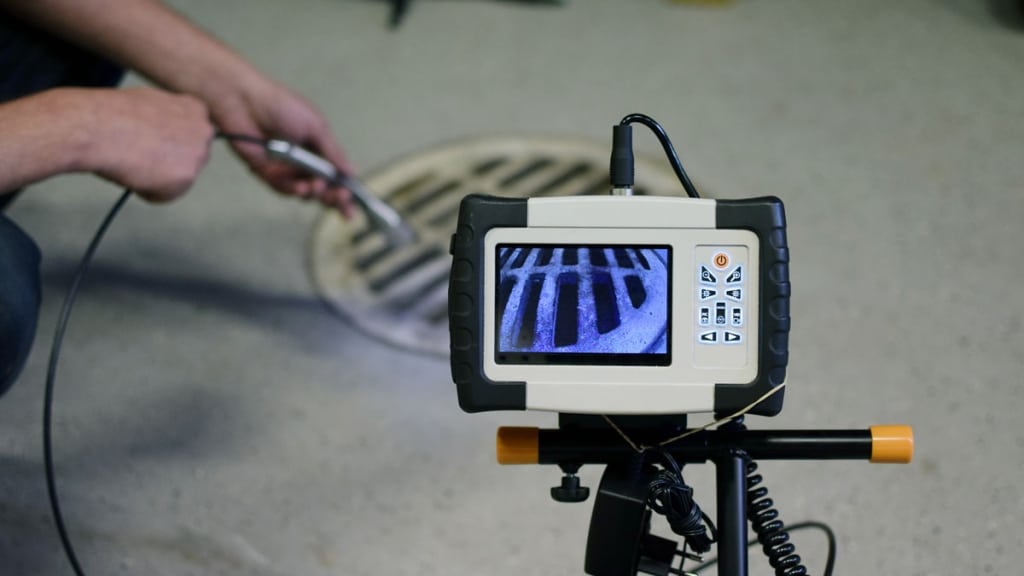
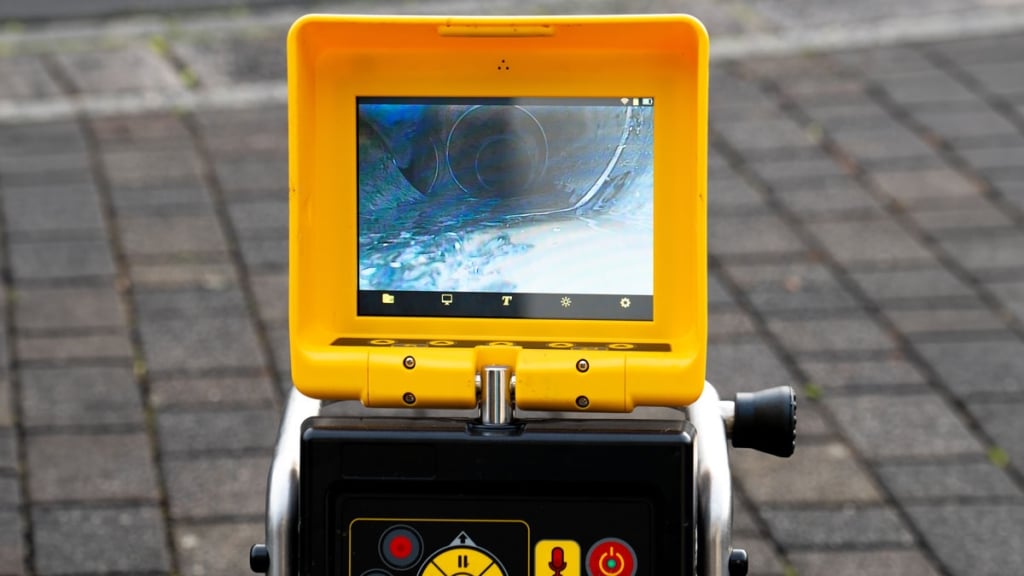
Many plumbing emergencies begin with uncertainty. You know wastewater is backing up, but you don’t know whether the problem is 10 feet from the house or 80 feet away near the city connection. You don’t know if the blockage is grease, roots, a collapsed pipe, or years of accumulated debris. A sewer camera inspection removes that uncertainty. Using a high-definition waterproof camera, plumbers inspect the entire sewer line from the cleanout to identify the exact location and cause of the blockage. The inspection may reveal:
- Tree roots that have entered through pipe joints
- Cracked or broken sewer pipes
- Offset pipe sections caused by soil movement
- Heavy grease accumulation
- Construction debris
- Bellied pipe sections where wastewater collects
- Corrosion in older cast iron systems
- Previous repairs that have begun to fail
Rather than guessing, the repair plan is based on the actual condition of the sewer line. For homeowners, this often means avoiding unnecessary excavation. For commercial facilities, it can reduce downtime by identifying the most efficient repair strategy before work begins.
What You Should Never Do During a Sewer Backup
Good intentions can sometimes make an emergency worse. Several common reactions actually increase property damage or create additional health risks. Avoid these mistakes:
- Continue flushing toilets to “push the clog through.”
- Run hot water in sinks or showers.
- Pour chemical drain cleaners into the sewer system.
- Attempt to pressure wash contaminated areas before stopping the backup.
- Enter standing sewage without proper protective equipment.
- Ignore recurring backups because they eventually drain away.
Chemical drain cleaners deserve special mention. Many people assume stronger chemicals will dissolve whatever is blocking the pipe. In reality, most main sewer obstructions involve tree roots, collapsed piping, grease accumulation, or structural damage that chemicals simply cannot fix. Those products may also create additional hazards for technicians working on the system later.
Commercial Sewer Backups Require a Different Response
For businesses, every hour of downtime can have financial consequences. Restaurants may be unable to serve customers. Medical facilities can face sanitation concerns. Apartment communities may receive multiple maintenance requests within minutes. Manufacturing facilities may have production interrupted. That’s why commercial sewer emergencies often require a different approach than residential repairs. At Expert Services – Plumbing, Heating, Air & Electrical, one of our priorities is finding ways to keep businesses operating whenever it’s safely possible. Depending on the situation, that may involve temporary bypass systems, after-hours repairs, trenchless sewer rehabilitation, or phased repair strategies that reduce disruption to daily operations. Many of the commercial projects we’ve completed throughout Northern Utah have been scheduled overnight or during low-traffic hours specifically to help businesses avoid unnecessary closures.
From the Field: Every Backup Tells a Different Story
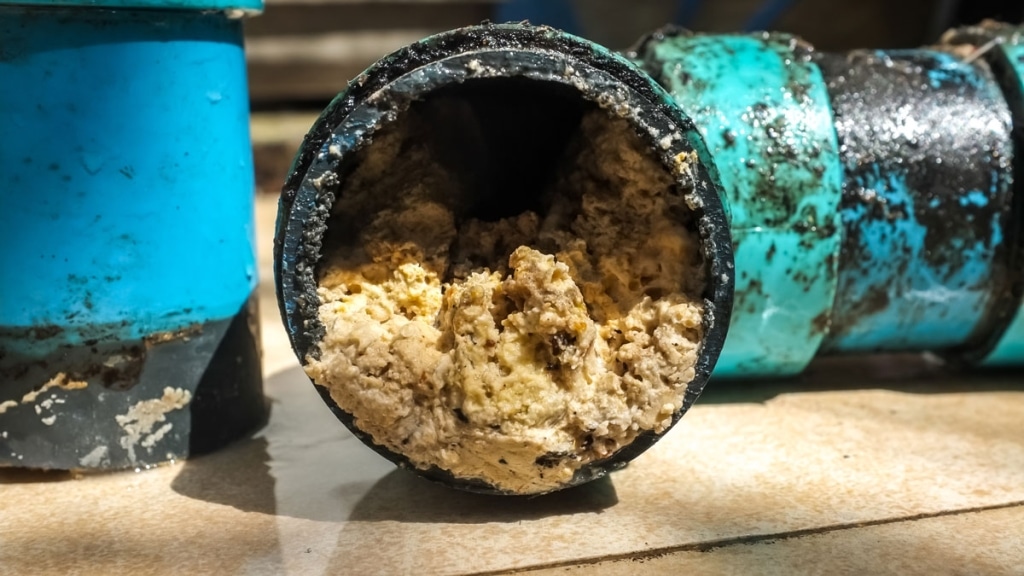
One of the biggest misconceptions about sewer emergencies is that they all have the same cause. We’ve responded to homes where a single section of tree roots caused wastewater to back up into the basement. We’ve also inspected restaurants where years of grease buildup gradually reduced a six-inch sewer line to a narrow opening that could no longer handle normal kitchen operations. In commercial buildings, we’ve uncovered collapsed clay pipe beneath parking lots, failed repairs completed decades earlier, and underground piping that had slowly shifted as the surrounding soil settled. From the homeowner’s perspective, the symptoms often look nearly identical. Water backs up. Drains stop working. Toilets overflow. Underground, the solution can be completely different. That’s why we rarely recommend making assumptions before performing a camera inspection. Understanding what’s actually happening inside the sewer line allows us to recommend the most practical repair, whether that’s hydro jetting, trenchless lining, a localized repair, or full replacement. Good decisions begin with good information.
The Hidden Costs of Waiting Too Long
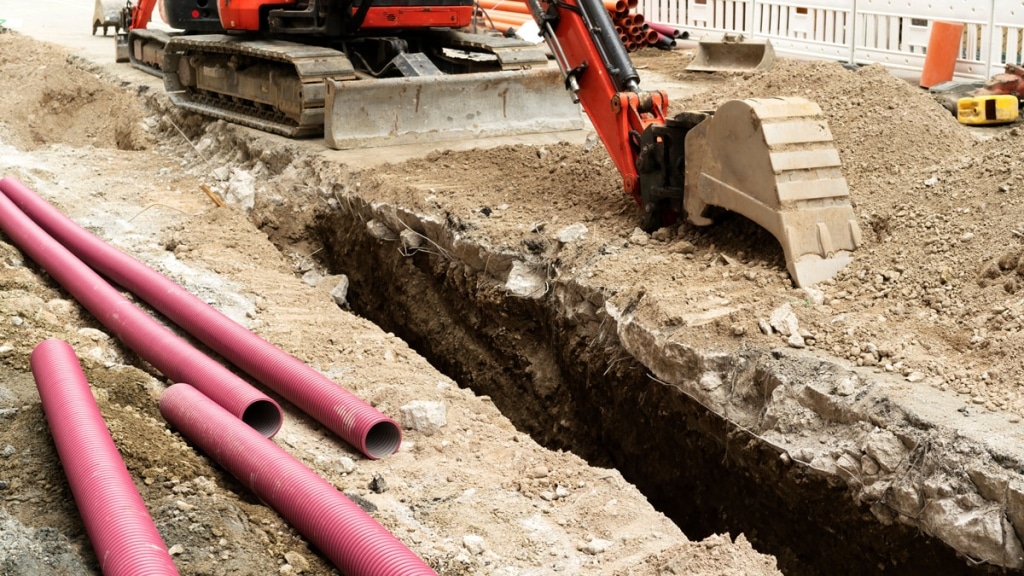
Not every sewer backup starts as an emergency. In many cases, the warning signs appear weeks or even months beforehand. A drain begins slowing down. A toilet bubbles occasionally. An unpleasant odor comes and goes. Because the problem isn’t constant, it’s easy to put it off. Unfortunately, sewer problems rarely resolve themselves. What begins as a partial blockage can become a complete obstruction, increasing the risk of wastewater entering finished living spaces or interrupting business operations. As wastewater continues backing up, damage may extend beyond flooring and drywall to cabinetry, insulation, electrical components, and personal belongings. Waiting can also limit your repair options. A sewer line with minor root intrusion may be a good candidate for trenchless rehabilitation today. If that same pipe continues deteriorating for another year, excavation and full replacement may become the only practical solution. For commercial properties, delayed repairs often carry additional costs that aren’t reflected on the plumbing invoice. Restaurants may lose revenue while kitchens are closed. Property managers may need to temporarily relocate tenants. Retail stores can experience interrupted operations during peak business hours. Addressing the problem early often reduces both repair costs and overall disruption.
Common Myths About Sewer Backups
Misunderstandings about sewer systems can lead property owners to make decisions that delay proper repairs or increase damage. Here are a few of the misconceptions we hear most often.
“The backup went away, so the problem fixed itself.”
A temporary improvement doesn’t necessarily mean the blockage is gone. Wastewater may eventually drain through a partial obstruction, but the underlying issue often remains. Tree roots, grease buildup, or a damaged sewer pipe can continue restricting flow until another backup occurs.
“Drain cleaner will solve a sewer backup.”
Chemical drain cleaners are designed for minor sink or tub clogs, not main sewer line obstructions. They typically won’t remove tree roots, collapsed piping, or heavy grease accumulation. In some situations, they can also create safety concerns for technicians working on the plumbing system.
“If one toilet is clogged, the entire sewer line must be bad.”
A single clogged toilet often indicates a localized issue rather than a main sewer problem. However, when several plumbing fixtures back up together, or wastewater appears in the lowest drain in the building, the main sewer line is much more likely to be the cause.
“Older homes always need sewer replacement.”
Age alone doesn’t determine the condition of a sewer line. We’ve inspected older homes with sewer systems still performing well after decades of service. We’ve also found significant problems in installations that are much newer. A camera inspection provides the information needed to evaluate the actual condition rather than making assumptions based on the property’s age.
Utah Conditions That Can Increase the Risk of Sewer Problems
While sewer backups can happen anywhere, Northern Utah presents a few unique conditions that property owners should keep in mind. Many established neighborhoods in cities like Salt Lake City, Orem, Provo, Sandy, and Lehi have mature trees whose root systems naturally seek moisture. Older homes may also have clay or cast-iron sewer lines, which are more susceptible to root intrusion and joint separation than newer PVC systems. Seasonal weather can also play a role. During spring snowmelt and periods of heavy rainfall, saturated soil places additional pressure on underground infrastructure. Soil movement from freeze-thaw cycles may cause shifting of pipe joints over time, particularly in aging sewer systems. Understanding these regional factors helps explain why preventative inspections are valuable, especially for older properties or buildings that have experienced recurring drainage issues.
Bottom Line
A sewer backup is one of those problems that becomes more stressful the longer they continue. The good news is that taking the right steps during the first 30 minutes can help reduce damage, protect the people inside the building, and give your plumber the information needed to diagnose the problem efficiently. The first priority is always to stop using water and keep people away from contaminated areas. From there, a professional sewer camera inspection can determine whether the issue is caused by tree roots, grease buildup, pipe damage, or another obstruction. Once the cause is identified, you’ll have a much clearer understanding of the available repair options and what makes the most sense for your property. Whether you own a home, manage commercial property, or oversee multiple facilities, responding quickly can often reduce both repair costs and long-term disruption.
Get a Sewer Camera Inspection Today
If you’re experiencing slow drains, recurring backups, or an active sewer emergency, Expert Services – Plumbing, Heating, Air & Electrical is ready to help. Our team provides residential and commercial sewer services throughout Northern Utah, including Orem, Provo, Lehi, Sandy, Salt Lake City, West Jordan, South Jordan, Millcreek, and West Valley City. Using professional sewer camera inspection equipment, we’ll identify the source of the problem, explain what we’re seeing, and recommend repair options based on the actual condition of your sewer line. Our goal is to help you make an informed decision with as little disruption to your home or business as possible. Contact Expert Services today to schedule an emergency sewer inspection or request immediate assistance.
Frequently Asked Questions
How can I tell if my sewer backup is an emergency?
A sewer backup should be treated as an emergency anytime wastewater enters your home or business, multiple plumbing fixtures stop draining at once, or sewage begins backing up through floor drains, showers, or toilets. These situations can pose health risks and cause additional property damage if wastewater continues to enter the building. Even if the backup eventually drains away, the underlying problem usually remains and should be inspected by a licensed plumber.
Should I keep using water if only one drain is backed up?
If you’re confident the problem is isolated to a single sink or fixture, the issue may be localized. However, if wastewater begins appearing in multiple drains or the lowest plumbing fixture in the building, stop using water immediately. Continuing to flush toilets or run appliances can force additional wastewater into an already blocked sewer line, further damaging the property.
What usually causes emergency sewer backups in Utah?
Some of the most common causes include tree root intrusion, grease buildup, collapsed sewer pipes, separated pipe joints, construction debris, and aging underground infrastructure. Northern Utah’s mature trees and older neighborhoods can increase the likelihood of root intrusion in certain sewer systems. A sewer camera inspection is typically the fastest way to determine the exact cause.
Can a sewer camera inspection find every type of sewer problem?
A sewer camera inspection can identify many common issues, including tree roots, pipe cracks, separated joints, corrosion, grease buildup, standing water, and collapsed sections of pipe. It also helps locate the exact position of the problem underground, allowing repairs to be planned more accurately. While some underground conditions may require additional testing, camera inspections are one of the most valuable diagnostic tools available.
Is trenchless sewer repair always an option?
Not always. Trenchless repair works well when the existing pipe is structurally sound enough to support rehabilitation. If the pipe has completely collapsed or experienced extensive structural failure, excavation and replacement may be necessary. A professional inspection determines which option is appropriate based on the actual condition of the sewer line.
How can businesses reduce the risk of sewer emergencies?
Preventive maintenance is one of the most effective strategies. Routine drain cleaning, periodic sewer camera inspections, grease management for food service facilities, and addressing small drainage problems before they worsen can help reduce unexpected shutdowns. Many commercial property owners schedule inspections before problems become emergencies, allowing repairs to be planned during off-hours whenever possible.
What should I do after the immediate emergency is over?
Once the backup source has been identified and repaired, the affected areas should be cleaned and restored in accordance with appropriate health and safety recommendations. It’s also a good idea to discuss preventive maintenance with your plumber, especially if the backup was caused by tree roots, aging infrastructure, or recurring drainage issues. Taking steps to prevent future problems can help avoid another emergency.