Tree Roots in Sewer Lines: Signs, Damage, Camera Inspections & Repair Options
July 20th, 2026
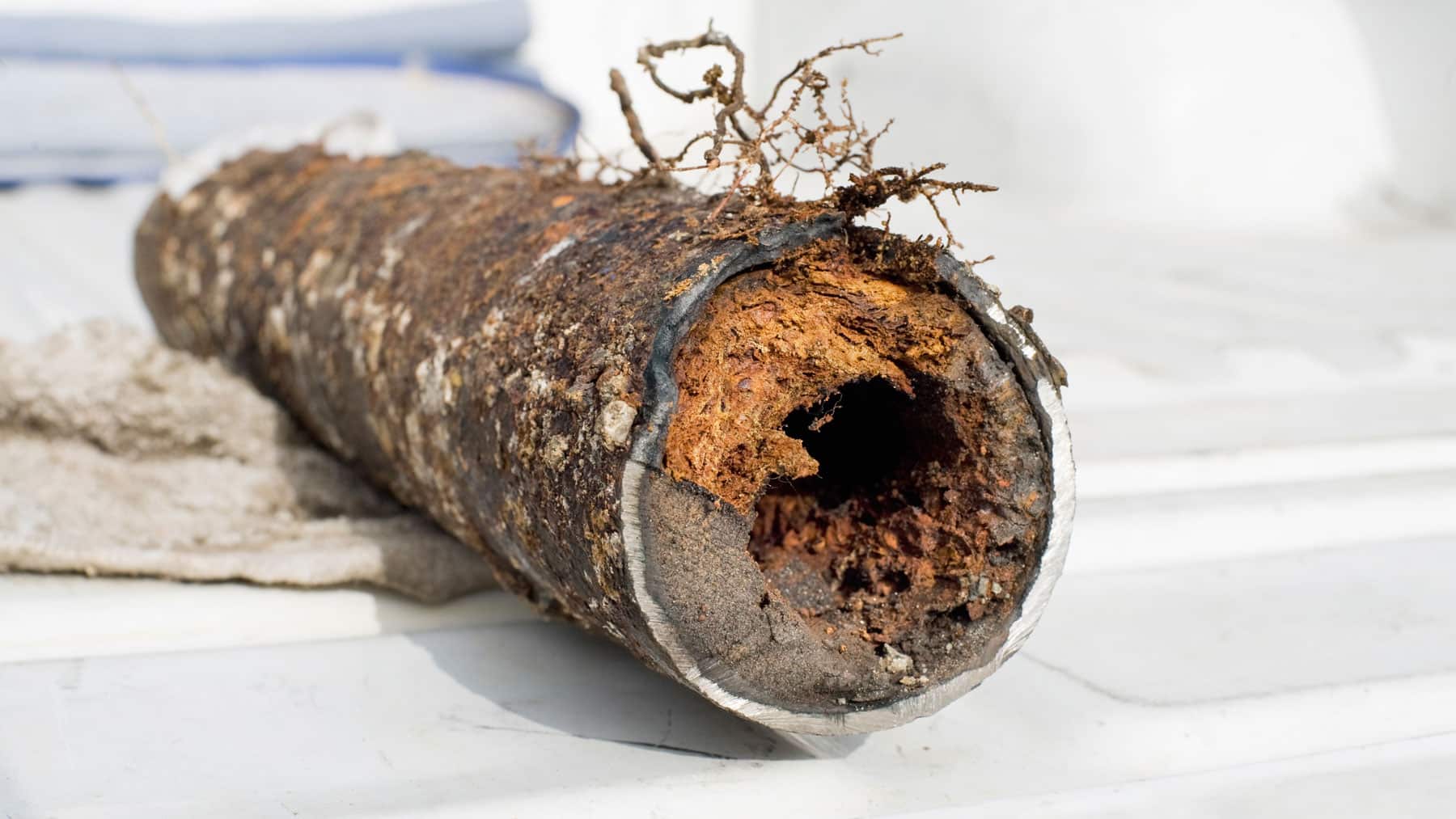
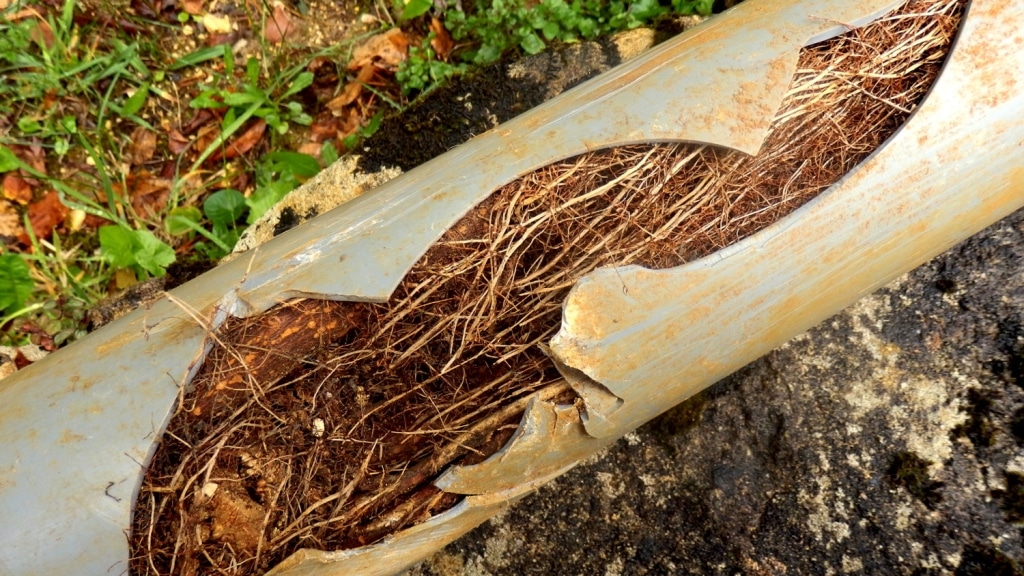
Tree roots don’t need a large opening to create a major sewer problem. A tiny crack, loose joint, or aging section of pipe is often enough for fine roots to enter. Once inside, they have everything they need to grow. Moisture, nutrients, and a steady water source encourage roots to expand until they begin restricting wastewater flow. By the time a sink drains slowly, or a sewer backs up into your home or business, the blockage has usually been developing for months or even years. At Expert Services – Plumbing, Heating, Air & Electrical, we’ve inspected sewer systems throughout Northern Utah where a simple root intrusion turned into a collapsed pipe, repeated backups, or emergency excavation. The good news is that early detection through a sewer camera inspection often gives property owners more repair options and can help avoid larger, more disruptive projects.
Key Takeaways About Tree Roots in Sewer Lines
- Tree roots in sewer lines are one of the leading causes of residential and commercial sewer backups.
- Older clay, concrete, and cast-iron sewer lines are especially vulnerable to root intrusion.
- Sewer camera inspections accurately identify root intrusion, pipe damage, and other underground issues without unnecessary excavation.
- Clearing roots alone may not permanently solve the problem if damaged pipe joints remain.
- Modern repair options include hydro jetting, trenchless sewer lining, spot repairs, and full sewer replacement, depending on the pipe’s condition.
Understanding what is happening beneath your property is the first step toward choosing the right repair strategy instead of guessing.
Why Tree Roots in Sewer Lines Grow
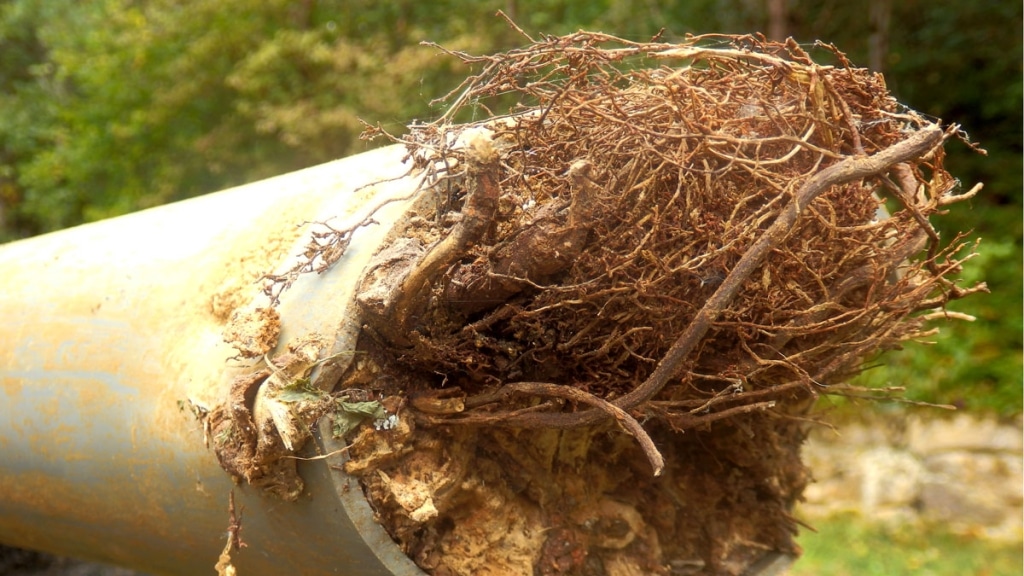
Tree roots don’t specifically seek out sewer pipes. They naturally search for moisture and oxygen in the soil. Even a small amount of water escaping from an aging pipe joint creates an ideal environment for root growth. As roots continue growing, they wrap around joints, enter through small openings, and gradually expand inside the pipe. What begins as a few hair-like roots can eventually become a dense mass capable of trapping toilet paper, grease, wipes, and other debris that normally passes through the sewer system. In Utah, this issue becomes even more common in neighborhoods with mature landscaping and older underground infrastructure. Homes and commercial buildings in areas like Orem, Provo, Salt Lake City, Sandy, and Lehi often contain sewer lines installed decades ago using materials that are more susceptible to root intrusion than modern PVC systems. Certain tree species commonly found throughout Northern Utah, including cottonwoods, willows, silver maples, and large poplars, are particularly aggressive in seeking underground water.
Common Warning Signs of Tree Roots in Your Sewer Line
Most sewer line problems begin subtly. Many homeowners mistake the early symptoms for a simple drain clog, delaying repairs until the problem becomes much more serious. Several warning signs should never be ignored:
- Multiple drains begin backing up simultaneously.
- Toilets bubble or gurgle after sinks or tubs drain.
- Slow drainage occurs throughout the home rather than just one fixture.
- Sewer odors develop inside or outside the building.
- Water backs up into floor drains during heavy use.
- Frequent drain cleaning only provides temporary relief.
- Unusually green patches of grass appear above the sewer line.
While each symptom may have another cause, seeing several together often points toward an issue in the main sewer line rather than an isolated fixture drain. Commercial properties frequently notice problems sooner because higher water usage places additional demand on the sewer system. Restaurants, office buildings, medical facilities, schools, and multi-family housing can experience repeated backups that interrupt normal operations long before the pipe completely fails.
Why a Sewer Camera Inspection Is the First Step
One of the biggest mistakes property owners make is assuming every sewer backup requires excavation.A professional sewer camera inspection removes the guesswork. Using specialized waterproof video equipment, licensed plumbers guide a high-definition camera through the sewer line to inspect its entire condition from the inside. The inspection reveals far more than root intrusion. It can also identify cracked pipes, offsets, corrosion, grease buildup, collapsed sections, separated joints, bellied pipe, and previous repair failures. Because the entire line can be viewed in real time, property owners receive a much clearer understanding of what is actually happening underground before deciding on repairs. At Expert Services – Plumbing, Heating, Air & Electrical, sewer camera inspections are the foundation for recommending the most practical and cost-effective repair option rather than the most invasive one. In many cases, identifying the exact location and severity of the problem helps avoid unnecessary excavation while providing confidence that the recommended solution addresses the underlying cause rather than only the visible symptoms.
What a Sewer Camera Inspection Can Reveal Besides Tree Roots
Tree roots are one of the most common reasons for scheduling a sewer camera inspection, but they’re far from the only problem we find. In many cases, the camera uncovers additional issues that have been quietly developing underground for years. Knowing the full condition of the sewer line allows property owners to make informed decisions instead of treating one symptom while another problem continues to worsen.A professional sewer camera inspection can identify:
| Tree Root Intrusion | Roots have entered through cracks or pipe joints and are restricting flow. | Root removal, hydro jetting, trenchless lining, or sewer replacement |
| Cracked Sewer Pipe | Soil movement, age, or ground settlement has damaged the pipe. | Spot repair, trenchless repair, or replacement |
| Separated Pipe Joints | Pipe sections have shifted apart, allowing roots and soil to enter. | Trenchless lining or excavation depending on severity |
| Grease and Debris Buildup | Waste has accumulated over time, reducing pipe capacity. | Hydro jetting or mechanical cleaning |
| Pipe Corrosion | Common in aging cast iron sewer systems where the pipe wall has deteriorated. | Pipe rehabilitation or replacement |
| Bellied Pipe | A low section has developed where wastewater collects instead of flowing properly. | Excavation and grade correction |
| Foreign Objects | Toys, wipes, construction debris, or other materials are obstructing the sewer line. | Mechanical removal or excavation if necessary |
| Previous Repair Failures | Earlier repairs have deteriorated or were improperly completed. | Repair or replacement based on inspection findings |
While every sewer system is different, these conditions often develop together. A pipe infiltrated by tree roots may also have cracked joints, corrosion, or years of accumulated buildup, all of which contribute to recurring drainage problems. Because the inspection records the condition of the entire sewer line, it provides a much more complete picture than simply clearing a blockage. That information helps determine whether a thorough cleaning is likely to solve the issue, whether a trenchless repair is appropriate, or whether replacement is the most practical long-term investment. For commercial properties, the inspection can also reveal developing issues before they interrupt daily operations. Restaurants, schools, medical facilities, retail centers, and multi-tenant buildings often rely on camera inspections as part of preventative maintenance because identifying a failing sewer line early can help reduce unexpected downtime and emergency repairs. If you’re experiencing recurring backups or slow drains, our team can perform a professional sewer camera inspection and sewer line cleaning to identify the source of the problem. If repairs are needed, we’ll explain your options clearly and recommend a solution based on the actual condition of your sewer line, whether that involves trenchless sewer repair, spot repairs, or full replacement.
Repair Options for Tree Root Damage
Finding roots inside a sewer line doesn’t automatically mean the entire pipe needs to be replaced. The right solution depends on the condition of the pipe itself, not simply the presence of roots. A sewer camera inspection allows plumbers to evaluate whether the pipe can be restored or if more extensive repairs are necessary. Several repair methods are commonly used, each designed for a different situation.
| Mechanical Root Cutting | Minor to moderate root intrusion | Quickly restores flow | Roots often grow back if the pipe remains damaged |
| Hydro Jetting | Heavy root masses and debris buildup | Thoroughly cleans the pipe interior | Does not repair cracked or separated pipe joints |
| Trenchless Sewer Lining | Structurally sound pipes with cracks or root entry points | Creates a new pipe inside the old one with minimal excavation | Not suitable for completely collapsed pipes |
| Spot Repair | Localized pipe failures | Less excavation than full replacement | Only addresses one damaged section |
| Full Sewer Replacement | Severely deteriorated or collapsed sewer lines | Long-term solution | Most extensive repair option |
No two sewer systems fail the same way. Choosing the correct repair begins with understanding exactly what the camera inspection reveals rather than assuming the most expensive option is necessary.
Hydro Jetting vs. Root Cutting: What’s the Difference?
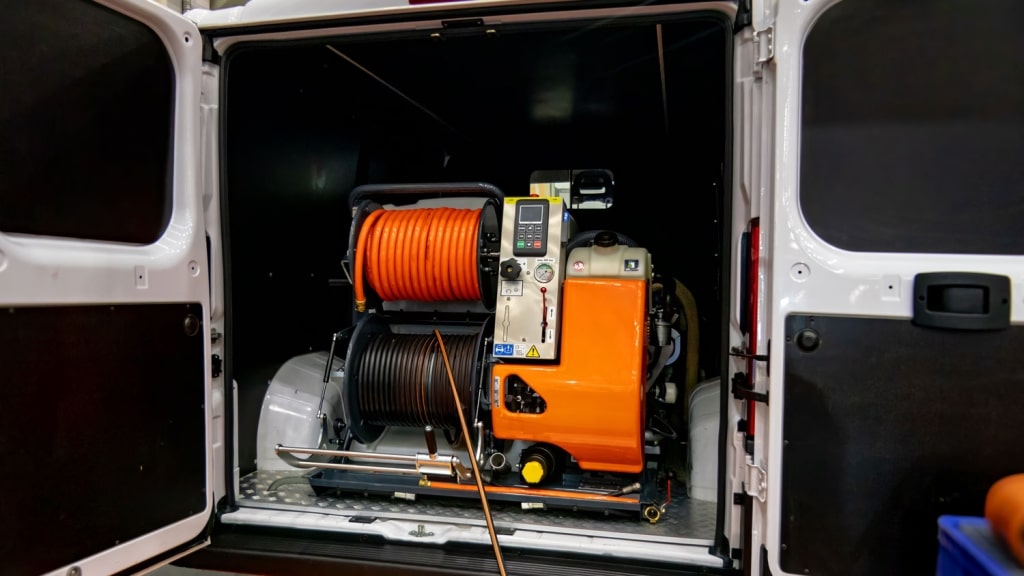
Many property owners hear both terms without understanding how they differ. Mechanical root cutting uses specialized cutting heads attached to sewer equipment that slice through root masses to restore water flow. This can provide immediate relief, especially during an active backup. Hydro jetting approaches the problem differently. Instead of cutting roots, it uses high-pressure water to scour the interior of the pipe, removing roots, grease, sludge, mineral buildup, and other debris. When performed correctly, hydro jetting leaves the pipe significantly cleaner than mechanical cutting alone. Neither method permanently solves the problem if the roots are entered through a damaged joint or crack. That’s one of the biggest misconceptions we encounter. Removing roots restores flow, but unless the entry point is repaired, the roots will often return over time. In many cases, hydro jetting followed by trenchless sewer lining provides a longer-lasting solution because it cleans the pipe and seals the openings where roots have entered.
Why Tree Roots Often Come Back After Drain Cleaning
This is one area where many online articles stop short. Tree roots rarely begin growing inside a healthy sewer pipe. They grow into damaged areas because those locations provide moisture, oxygen, and nutrients. When roots are cut or flushed away, the opening that attracted them usually remains. Over time, new roots naturally follow the same path. We frequently inspect sewer lines where previous drain cleaning temporarily restored flow, only for backups to return months later. In many of these situations, the original repair addressed the symptom but not the underlying cause. Common reasons roots return include:
- Separated pipe joints
- Hairline cracks that continue to leak moisture
- Aging clay sewer pipes
- Corroded cast-iron sewer lines
- Previous repairs that left small gaps between pipe sections
Understanding why the roots entered the pipe in the first place often leads to a much more effective repair strategy.
Utah Conditions Can Increase Sewer Root Problems
Northern Utah presents several unique conditions that contribute to sewer line failures. Many neighborhoods throughout Orem, Provo, Salt Lake City, Sandy, Lehi, West Jordan, and surrounding communities were developed decades ago using clay or cast-iron sewer piping. While these materials served homeowners well for many years, age eventually affects joints and pipe integrity. Seasonal freeze-thaw cycles also place stress on underground utilities. As soil expands and contracts, small gaps can develop in pipes over time. Irrigation systems, mature landscaping, and large shade trees further encourage root growth around underground plumbing. One challenge we frequently see involves homes with beautiful, established landscapes. Large trees may have been planted decades before anyone suspected the sewer line could become vulnerable. By the time symptoms appear inside the home, roots have already been growing around the pipe for years. Commercial properties can face similar challenges, particularly those with extensive landscaping, parking lot islands, or older infrastructure beneath paved areas. Because excavation in these locations can disrupt business operations, early identification becomes even more valuable.
When Should You Schedule a Sewer Camera Inspection?
Waiting until sewage backs up into a building limits your repair options.A camera inspection is worth considering if you notice recurring drainage problems or if your property falls into one of these categories:
- Your home or building is more than 30 years old.
- Large mature trees grow near the sewer line.
- You’ve had multiple drain cleanings within the past few years.
- You’re purchasing an older home.
- You notice sewer odors outdoors.
- Multiple plumbing fixtures drain slowly simultaneously.
- A previous inspection identified minor root intrusion.
Routine inspections are also becoming more common for commercial properties where sewer failures can interrupt business operations, create sanitation concerns, or require temporary closures. Identifying small problems before they become emergencies can greatly reduce unexpected costs.
A Real-World Scenario We See Frequently
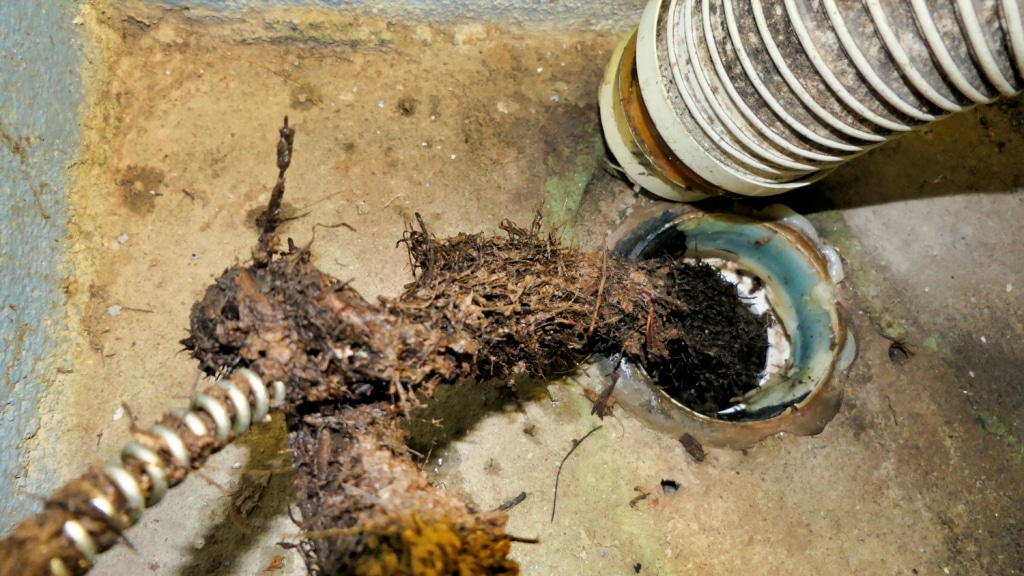
A homeowner notices the downstairs shower draining slowly. A few weeks later, the basement toilet begins gurgling whenever the washing machine drains. Eventually, wastewater backs up through the floor drain after several family members shower in the evening. Many people assume they simply need another drain cleaning. Instead, a sewer camera inspection reveals a different story. Tree roots have entered an aging clay sewer line through a separated joint approximately 35 feet from the home. The roots have collected years of paper, grease, and debris, leaving only a small opening for wastewater to pass through. Because the damage is identified before the pipe collapses, the homeowner still has multiple repair options. After cleaning the line, a trenchless liner restores the pipe’s structural integrity without excavating the entire yard. We’ve seen similar situations throughout Northern Utah where early diagnosis saved property owners significant disruption, landscape restoration, and repair costs.
The Bottom Line
Tree roots are among the leading causes of sewer line failures, but they don’t always require major excavation or a complete sewer replacement. A professional sewer camera inspection provides the information needed to understand exactly what’s happening underground. From there, repairs can be tailored to the pipe’s actual condition rather than relying on assumptions. Whether the solution involves hydro jetting, trenchless sewer lining, a spot repair, or full replacement, identifying the issue early typically results in more options and less disruption.If you’ve noticed recurring drain problems, sewer odors, or multiple plumbing fixtures backing up, it’s worth investigating before the situation becomes an emergency.
Get a Sewer Camera Inspection Today
Recurring sewer problems don’t just fix themselves. If you’re dealing with slow drains, frequent backups, or signs of tree root intrusion, the team at Expert Services – Plumbing, Heating, Air & Electrical can help identify the cause with a professional sewer camera inspection. Our licensed plumbers work with homeowners and businesses throughout Northern Utah, providing practical repair recommendations based on the condition of your sewer line, not guesswork. Whether your system needs cleaning, trenchless repair, or replacement, we’ll explain your options clearly so you can make an informed decision. Schedule your sewer camera inspection today or learn more about our professional sewer line repair services.
Frequently Asked Questions
Can tree roots completely block a sewer line?
Yes. Tree roots begin as small strands that enter a sewer line through tiny cracks or loose pipe joints. As they grow, they create a dense network that traps toilet paper, grease, wipes, and other debris as it moves through the pipe. Over time, wastewater has less room to flow, which can eventually lead to slow drains, recurring backups, or complete sewer blockages. Because this process develops gradually, many property owners don’t notice a problem until several plumbing fixtures begin backing up at once. A sewer camera inspection is the most reliable way to determine whether tree roots are responsible and to evaluate whether the pipe can be repaired or needs to be replaced.
How do plumbers find tree roots inside a sewer line?
Professional plumbers use a high-definition sewer camera that travels through the pipe, transmitting live video to a monitor above ground. This allows them to inspect the entire sewer line without unnecessary digging. During the inspection, they can identify root intrusion, cracked pipes, separated joints, corrosion, offsets, grease buildup, or collapsed sections. Modern camera equipment also includes locating technology that pinpoints the exact depth and location of the problem, making repairs more efficient and reducing unnecessary excavation. A camera inspection removes guesswork and helps determine the most practical repair option based on the actual condition of the sewer line.
Will hydro jetting permanently remove tree roots?
Hydro jetting is one of the most effective methods for removing tree roots and cleaning the inside of a sewer pipe, but it doesn’t permanently solve the underlying problem if the pipe has cracks or separated joints. High-pressure water removes roots, grease, sludge, and other debris while restoring proper flow. However, if roots entered through damaged sections of pipe, they may eventually return. After cleaning, many property owners choose to repair the damaged pipe using trenchless sewer lining or another permanent solution that seals the entry point and helps prevent future root intrusion.
Does homeowners’ insurance cover sewer line damage caused by tree roots?
Insurance coverage varies depending on the policy and the cause of the damage. Some homeowners’ insurance policies may help cover damage caused by a sudden, accidental event inside the home, but may not cover repairing the underground sewer line itself if the failure results from normal wear and tear, aging, or root intrusion. Optional service line coverage may provide additional protection for underground utility lines. Because policies vary, it’s a good idea to review your coverage with your insurance provider before an emergency occurs. A sewer camera inspection can also provide valuable documentation if you need to file a claim.
Can trenchless sewer repair fix tree root damage?
In many situations, yes. Trenchless sewer repair is often an excellent solution when the existing pipe is structurally stable but has cracks, separated joints, or root intrusion. After the pipe is thoroughly cleaned, a durable liner is installed inside the existing sewer line, creating a seamless new pipe that seals many of the openings where roots previously entered. This approach often minimizes excavation, preserves landscaping, driveways, and sidewalks, and can significantly reduce disruption compared to traditional replacement. If the pipe has collapsed or deteriorated beyond repair, however, excavation and replacement may still be necessary.
Which trees are most likely to cause sewer line problems in Utah?
Several tree species commonly planted throughout Northern Utah are known for aggressive root systems. Cottonwoods, willows, silver maples, poplars, and some elm varieties frequently seek moisture and can extend their roots considerable distances underground. While healthy sewer pipes generally resist root intrusion, older clay, concrete, and cast-iron sewer lines with aging joints can become attractive sources of moisture. If mature trees are located near your sewer line, periodic inspections can help identify developing problems before they become costly repairs.
How often should a sewer camera inspection be performed?
There isn’t a one-size-fits-all schedule, but many property owners benefit from a camera inspection when purchasing an older home, after repeated drain backups, or before major remodeling projects. Homes with mature trees near the sewer line, or with sewer systems more than 30 years old, may also benefit from periodic inspections. Commercial buildings, restaurants, apartment complexes, schools, and other facilities with higher plumbing demand often schedule inspections as part of a preventative maintenance program. Identifying small problems early can help reduce emergency repairs, avoid unexpected downtime, and provide more repair options if issues are found.